
Understanding Why Bitcoin Retains Value: Key Factors and Historical Context
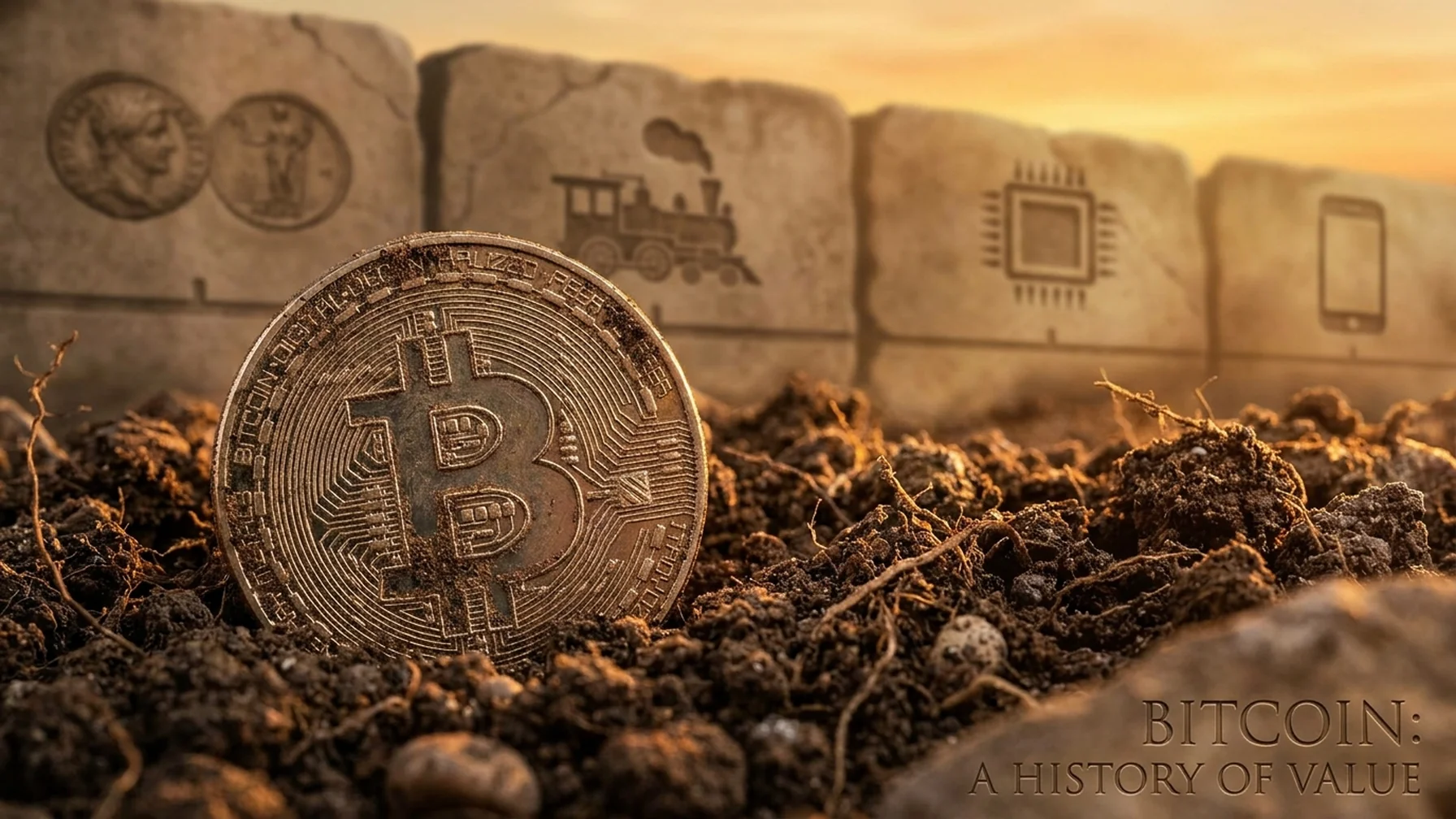
Bitcoin, the pioneering decentralized digital currency, has been a subject of intrigue since its inception. Many wonder why Bitcoin retains value, and the answer lies in its unique history, inherent characteristics, and the cultural shifts it has inspired. This article explores these elements to shed light on Bitcoin's enduring value.
The Birth of Bitcoin: Satoshi Nakamoto's Vision
Bitcoin was introduced by the enigmatic Satoshi Nakamoto in 2008 through a whitepaper titled "Bitcoin: A Peer-to-Peer Electronic Cash System." This revolutionary document proposed a system that allowed secure transactions without the need for a trusted third party, addressing the double-spending problem that plagued earlier digital currencies.
Bitcoin's Historical Milestones and Their Impact
Bitcoin's journey began in 2009 with its creation, marking a new era in digital finance. The first notable transaction involved Satoshi Nakamoto and Hal Finney, highlighting Bitcoin's potential as a currency. In 2010, the famous Bitcoin Pizza Day saw Laszlo Hanyecz pay 10,000 bitcoins for two pizzas, illustrating both Bitcoin's real-world application and its volatility.
These milestones are crucial for understanding Bitcoin's value retention:
- Limited Supply: Bitcoin is capped at 21 million coins, creating scarcity.
- Decentralization: Operates on a decentralized network, enhancing security and trust.
- Institutional Adoption: Increasing investments from institutions reinforce its value.
Factors Contributing to Bitcoin's Value Retention
Several key factors contribute to why Bitcoin retains value. These factors are essential in understanding its stability and demand in the market.
| Factor | Description |
|---|---|
| Scarcity | Bitcoin's supply is limited to 21 million, creating inherent scarcity. |
| Decentralization | Bitcoin operates independently, immune to political and economic instability. |
| Security | Utilizes advanced cryptography, ensuring a secure transaction environment. |
| Adoption | Rising acceptance by merchants and institutions boosts its legitimacy. |
These characteristics underpin Bitcoin's value, illustrating its unique position in the financial market. Understanding them can guide potential investors and enthusiasts.
The Philosophical Drive: Why Was Bitcoin Created?
Bitcoin emerged in response to the 2008 financial crisis, offering an alternative to centralized banking systems. It empowers individuals to manage finances independently, free from central banks' control.
Bitcoin vs. Fiat Money: Sound Money Principles
Unlike fiat money, which is prone to inflation, Bitcoin is often considered "sound money." Its capped supply mimics the scarcity of precious metals, enhancing its value retention.
Technological Innovations: The Lightning Network
As Bitcoin's popularity surged, scalability concerns arose. The Lightning Network, a second-layer solution, addresses these issues by enabling faster and cheaper off-chain transactions.
- Lightning Network fees are lower than on-chain fees, making transactions cost-effective.
- It allows for instant transactions, improving Bitcoin's scalability.
- The security of Bitcoin remains uncompromised due to its decentralized nature.
The Lightning Network enhances Bitcoin's practical use for everyday transactions, bolstering its value by ensuring scalability and efficiency.
Global Adoption and Legal Recognition
Bitcoin's value is further reinforced by its growing global adoption. Countries like El Salvador have recognized Bitcoin as legal tender, highlighting its potential to drive economic growth and financial inclusion.
Cultural Impact and Community Influence
The Bitcoin community is a dynamic mix of developers, advocates, and users who champion decentralized finance. Notable figures, like the cypherpunks, have long promoted privacy and freedom in digital transactions.
Many businesses now accept Bitcoin as payment, and some hold it as part of their treasury strategy, betting on its long-term value. This widespread adoption underscores Bitcoin's status as a valuable digital asset.
The Enduring Value of Bitcoin
In summary, Bitcoin retains value due to its innovative design, historical milestones, and cultural impact. From its creation by Satoshi Nakamoto to its role as a global digital currency, Bitcoin has established a unique place in finance. Its decentralized nature, scarcity, and technological advancements like the Lightning Network ensure its continued relevance. As digital finance evolves, Bitcoin's value proposition remains compelling, attracting investors and users worldwide.